Streaming Services and the Evolution of Home Entertainment
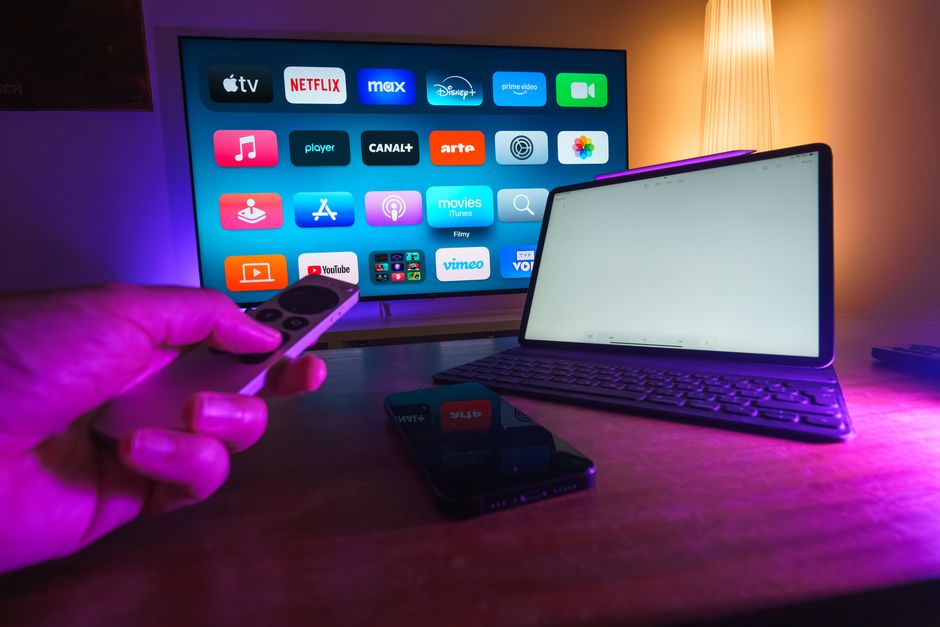
The way audiences engage with films and television programmes has undergone considerable change in recent years. The rise of digital platforms has introduced new methods for accessing audiovisual content, permitting viewers to select from extensive catalogues and to watch at their convenience. This shift is part of a broader evolution in media consumption, influenced by technological developments and changing viewer expectations.
This article examines the landscape of streaming services, focusing on subscription trends and their implications for the home entertainment sector. It considers the factors that have contributed to the growth of these platforms, the current patterns in consumer behaviour, and the potential consequences for industry stakeholders. By providing an informational overview, the discussion aims to offer a measured perspective on a topic that continues to shape the media environment.
The Emergence of Streaming Platforms
The origins of streaming services can be traced to the early days of internet video distribution, when technological constraints limited the quality and availability of online content. However, advancements in broadband infrastructure and compression algorithms gradually enabled smoother playback and higher resolutions. By the late 2000s, several companies began to offer subscription-based models, allowing users to access a library of films and series for a monthly fee. This approach offered an alternative to traditional pay-per-view or rental systems, appealing to audiences who valued convenience and variety.
As the market matured, new entrants appeared, each with distinct strategies. Some focused on original productions, while others prioritised extensive licensing agreements to build large catalogues. The competition among providers intensified, leading to a diversification of content and pricing structures. Consumers in the United Kingdom, as in many other countries, were presented with a growing choice of services, each promoting unique features and exclusive titles. The expansion of smart televisions and mobile devices further facilitated the integration of streaming into daily life.
Shifts in Consumer Behaviour
The convenience of on-demand viewing has had a significant impact on how audiences consume media. Traditional broadcast schedules, which once dictated when programmes could be watched, are no longer the primary constraint. Viewers now have the flexibility to pause, resume, and binge-watch content, often leading to entire series being consumed in a single sitting. This behavioural change has influenced the way stories are told, with some productions designed to encourage continuous viewing.
Subscription patterns have also evolved, as consumers may choose to maintain multiple services or rotate their subscriptions depending on their viewing needs. The decision to subscribe to a particular platform often hinges on the availability of desired content, the user interface, and the perceived value of the monthly cost. In the UK, market research indicates that households typically subscribe to at least two services, with some opting for a mix of well-established platforms and niche offerings. This trend reflects a desire for a personalised entertainment experience that can be tailored to individual preferences.
Another notable aspect is the generational difference in viewing habits. Younger audiences, who have grown up with streaming, tend to favour short-form content and interactive features, while older demographics may prefer traditional storytelling formats. Nevertheless, the overall direction is towards greater personalisation and interactivity, as platforms experiment with recommendations algorithms and user-generated playlists.
Effects on Traditional Media and Production
The rise of streaming services has had a profound effect on traditional media industries, including cinema, television, and advertising. Box office revenues in some regions have faced challenges, as films may be released simultaneously in theatres and on streaming platforms. Although the theatrical experience remains appealing for certain types of productions, the convenience of home viewing has altered the distribution strategy for many studios. Similarly, linear television channels have observed declining viewership, leading to a rethink of programming schedules and advertising models.
From a production perspective, streaming platforms have invested heavily in original content, resulting in a surge of new series and films. This expansion has created opportunities for creators and has contributed to the globalisation of content, with productions from different countries reaching international audiences. The commissioning process often permits greater creative freedom, as the success metrics are not solely based on ratings but also on subscriber acquisition and retention. However, the abundance of content also poses challenges for discovery, as viewers may feel overwhelmed by the sheer volume of available titles.
The economic impact on the industry is complex. While streaming has opened new revenue streams, it has also led to an increase in production costs and a more competitive market. For independent creators, the potential to reach a wide audience exists, yet the reliance on platforms as intermediaries can create dependencies. The long-term sustainability of these business models remains a subject of ongoing analysis.
Future Perspectives and Considerations
Looking ahead, the evolution of streaming services is likely to continue, driven by technological innovations and shifting consumer expectations. The integration of artificial intelligence for personalised recommendations is already common, and further developments may enhance the user experience. Virtual and augmented reality could offer immersive viewing experiences, presenting new possibilities for storytelling.
The subscription market may also see further segmentation, with platforms specialising in particular genres or catering to specific demographics. This could lead to a more fragmented landscape, where consumers choose from a variety of niche services rather than a few general-purpose platforms. Alternatively, consolidation may occur, with larger companies acquiring smaller ones to strengthen their content libraries.
Regulatory considerations are another aspect to note. Concerns about data privacy, content moderation, and market dominance have prompted discussion among policymakers and industry observers. The balance between consumer choice and fair competition is delicate, and future legislation may influence the operations of streaming services.
In conclusion, the evolution of home entertainment through streaming services is a multifaceted phenomenon. It has transformed viewing habits, challenged traditional business models, and created new opportunities and uncertainties. While the full consequences of these changes are yet to be realised, it is clear that the landscape will continue to evolve, shaped by innovation and the preferences of audiences. As with any significant shift in media consumption, the outcome will depend on a complex interplay of factors, and the industry as a whole will adapt accordingly.