How Smart Home Devices Simplify Everyday Tasks
Smart home technology has rapidly evolved from a niche interest to a mainstream convenience. Many households across the United Kingdom are incorporating various connected devices into their daily lives. From voice-activated assistants to automated climate control, these technologies aim to streamline routines and offer greater control over the home environment. This article explores how certain smart devices, specifically smart speakers, lighting systems, and thermostats, are being used to simplify everyday tasks.
The integration of smart devices into homes is not just about technological novelty; it is about enhancing practicality and comfort. By understanding how these devices function and the benefits they can provide, homeowners can make informed decisions about which solutions might suit their needs. The focus here is on the contextual and conditional advantages that these devices offer, rather than any guarantee of outcomes. The following sections examine the roles of each device type and how they contribute to more efficient household management.
The Role of Smart Speakers in Daily Routines
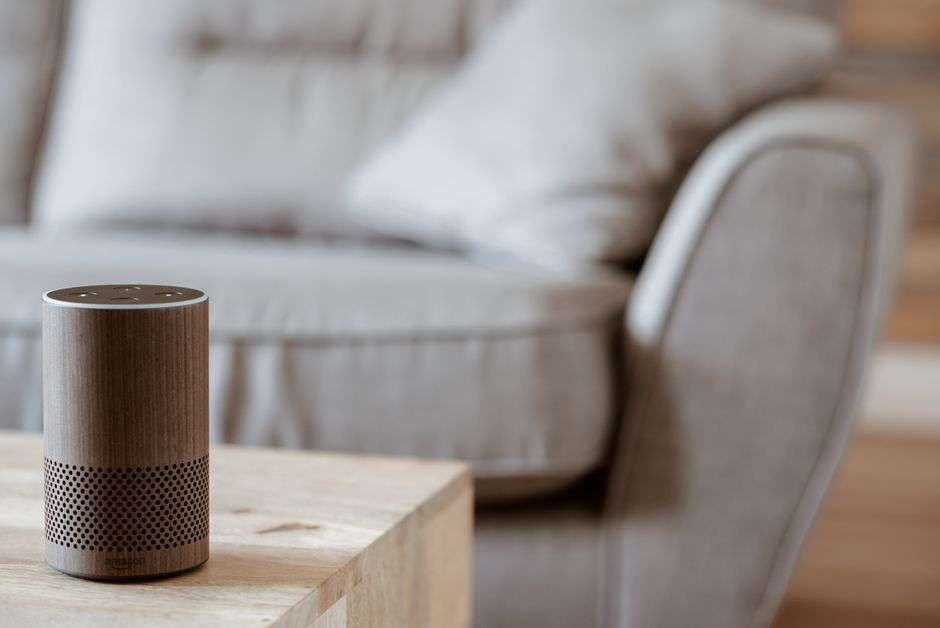
Smart speakers have become central hubs in many homes, offering a hands-free interface for various tasks. These devices are designed to respond to voice commands, enabling users to set reminders, play music, or access information without needing to physically interact with a screen or phone. The convenience of such interactions can be particularly noticeable during busy mornings or while performing tasks that require both hands. For instance, a person cooking might ask for measurement conversions or set a timer without pausing their activity.
Moreover, smart speakers can integrate with other compatible devices, creating a more interconnected ecosystem. Through voice commands, users can control compatible lights, thermostats, and even appliances, provided the devices are set up correctly and connected to the same network. This level of integration can reduce the number of steps needed to complete certain actions, potentially saving time and effort. However, the actual effectiveness of these integrations depends on the specific devices, the home’s Wi-Fi reliability, and the user’s familiarity with the system.
Additionally, smart speakers offer features that cater to information needs. They can provide news updates, weather forecasts, and answers to general knowledge questions. For individuals who prefer audio learning or have visual impairments, this can be a valuable resource. Nevertheless, it is important to note that the accuracy of the information provided is contingent on the service’s sources and algorithms, and users should verify critical details independently. Overall, smart speakers present a versatile tool for managing various aspects of daily life, but their utility varies based on individual preferences and home setups.
Enhancing Lighting Control for Convenience
Smart lighting systems offer a modern approach to controlling illumination in the home. These systems allow users to adjust brightness, color, and schedules through smartphone apps or voice commands. One of the primary benefits is the ability to create personalized lighting scenes that match activities such as reading, watching movies, or hosting gatherings. For example, a user might dim the lights to a warm tone for a relaxed evening, or set them to a bright, cool white for focused work.
The scheduling feature is particularly practical for those who travel frequently or have irregular routines. By programming lights to turn on and off at specific times, homeowners can simulate occupancy, which may deter potential intruders. Additionally, automatic scheduling can help conserve energy by ensuring lights are not left on unnecessarily. The energy savings, however, are conditional on the usage patterns and the type of bulbs used; smart LED bulbs are generally more efficient than traditional incandescent bulbs, but the reduction in electricity consumption depends on how the system is utilized.
Another noteworthy aspect of smart lighting is the ability to control lights remotely. Whether at work or on holiday, users can monitor and adjust their home’s lighting status via their smartphone. This capability offers peace of mind for those who worry about leaving lights on or want to prepare their home for arrival before they actually step in. It is essential to recognize that remote control relies on a stable internet connection and the home network’s security. If the network is compromised or experiences downtime, the system’s functionality may be affected. Consequently, while smart lighting provides convenience and potential energy benefits, its performance is intimately linked to the underlying infrastructure and user’s engagement.
Smart Thermostats and Energy Efficiency
Heating accounts for a significant portion of household energy consumption, and smart thermostats offer a way to manage this more thoughtfully. These devices learn from user preferences and daily patterns to adjust heating automatically. Equipped with sensors, they can detect occupancy and temperature variations, allowing them to optimize the schedule. For instance, the thermostat might lower the heat when no one is home and raise it before residents return, aiming to maintain comfort while reducing energy usage.
The potential for energy efficiency is often a primary motivation for adopting a smart thermostat. By aligning heating times with actual occupancy, such devices may contribute to lower energy bills. However, the actual savings are influenced by several variables, including the home’s insulation, the local climate, and the user’s comfort thresholds. It is not a guaranteed outcome; rather, it is a conditional benefit that depends on how the device is set up and how faithfully the user follows its recommendations.
Smart thermostats also provide detailed usage reports, allowing homeowners to view their heating patterns and identify opportunities for adjustment. These insights can be informative, but they should be interpreted within the context of the specific home’s characteristics. While some users may appreciate the ability to control the climate remotely, the effectiveness of such actions is again subject to connectivity and system reliability. In the United Kingdom, where heating is crucial during cooler months, a smart thermostat can be a valuable addition to a household, yet it is essential to approach it as a tool for informed management rather than a solution that automatically improves efficiency.
Integrating Devices for a Coherent Smart Home
The true potential of smart home technology emerges when devices work together in a cohesive ecosystem. Smart speakers can act as command centers for managing other connected objects, and many smart devices are designed to be compatible with popular voice assistants. Through routines or scenes, users can trigger multiple actions with a single command. For example, a morning routine might include turning on the kitchen lights, adjusting the thermostat, and having the smart speaker provide a daily briefing.
Integration also extends to factors like occupancy simulation for security. By coordinating lights and leaving other devices active, homeowners can create the appearance of an occupied home even when they are away. This approach is often discussed as a deterrent to potential intruders, although its effectiveness is not guaranteed and should not be the sole reliance for home security.
The process of setting up a smart home ecosystem requires careful planning and consideration of compatibility. Not all devices work seamlessly together, and users may need to select products that share the same communication protocols or are explicitly compatible with a chosen hub. Furthermore, maintaining a secure network is paramount, as smart devices can be entry points for cyber threats. Regularly updating firmware and using strong, unique passwords can mitigate some risks, but users should be aware that no system is entirely impervious to hacking. Thus, the integration of smart devices offers significant convenience and potential efficiencies, but it also introduces complexities that require mindful management.
Considering Privacy and Security
With the proliferation of smart devices, questions about privacy and security naturally arise. Many of these devices collect data about users’ habits and preferences to function effectively. For instance, smart speakers may record voice commands, and smart thermostats may track occupancy patterns. This data is typically used to improve the device’s performance, but it also represents a potential concern if handled improperly. Companies like Digital Daily emphasize the importance of transparent data practices, yet consumers should remain informed about how their information is used and protected.
To mitigate privacy risks, users can take several steps. Reading the privacy policies of devices and their associated apps, adjusting settings to limit data collection, and regularly reviewing permissions are all prudent practices. Additionally, using a separate network for smart devices can help isolate them from personal computers and smartphones. While these measures can enhance security, they do not eliminate all risks, as vulnerabilities may still exist. Therefore, a comprehensive approach to smart home security involves a combination of technical configurations and informed user behavior.
It is also essential to recognize that the security of a smart home system is not solely the manufacturer’s responsibility. Users play a critical role in maintaining security by updating passwords, enabling two-factor authentication where available, and being cautious about third-party integrations. The benefits of convenience must be weighed against the potential risks, and each household must decide their level of comfort. By staying proactive and educated, individuals can better enjoy the advantages of smart home technology while managing its inherent challenges.
Making Informed Choices for Your Household
When considering adding smart devices to a home, it is beneficial to assess specific needs and existing infrastructure. Factors such as the home’s size, the number of users, and the compatibility of current devices should influence decisions. For example, a smaller flat might not require a multi-zone thermostat system, whereas a larger house could benefit from more granular control. Additionally, the user’s technical proficiency can affect the ease of installation and daily management.
Cost is another consideration; smart devices often come with a higher upfront price compared to conventional counterparts, and ongoing expenses like subscriptions for certain features may apply. However, the long-term operational benefits, such as potential energy savings, are conditional and should be evaluated based on individual circumstances. It is advisable to research customer reviews, understand warranty policies, and, if possible, try devices in person before committing.
Finally, integrating smart home technology should be an iterative process. Starting with one or two devices and expanding gradually allows users to become familiar with the technology and its implications. This approach also permits adjustments based on real-world usage rather than theoretical assumptions. Ultimately, the decision to adopt smart home devices should be informed by a balanced understanding of their potential and limitations, ensuring that they genuinely contribute to simplifying everyday tasks in a way that aligns with the household’s priorities.